Blog

  • Choosing Faith in Seasons of Lack: A Reflection on God’s Provision and My Journey Through the Desert

    “A young African mother looking upward with hope and prayer, symbolizing faith during financial struggles.”

    Faith That Moves Mountains in Seasons of Lack

    Life has seasons that test the deepest parts of who we are—our strength, our identity, our courage, and above all, our faith. For almost five years, I have walked through a very difficult season. During this time, borrowing became normal, explaining my situation became routine, and simply surviving turned into a daily challenge.

    Despite everything, I write today not from defeat but from faith—a faith that moves mountains, even when the mountain seems unmoved.


    When You Reach the End of Yourself

    Carrying responsibilities quietly brings a deep kind of tiredness. The weight of motherhood, the pressure to provide, and the challenge of rebuilding yourself while keeping your children safe, fed, and emotionally supported can break even the strongest heart.

    Previously, I wrote about this weight:
    👉 The Weight of Being a Mother

    Sometimes, the heaviness feels unbearable. Meanwhile, desperation knocks softly. Yet, choosing faith over fear becomes the daily decision that keeps me moving forward.


    Holding Onto God’s Promises

    When life does not make sense, the Word of God becomes an anchor. It reminds us that He is close and that His promises are still true.

    God Is Near

    “Seek the Lord while He may be found; call on Him while He is near.”
    — Isaiah 55:6

    Even when heaven seems silent, this verse reassures me that God is near.

    God Listens

    “For the Lord our God is near us whenever we call on Him.”
    — Deuteronomy 4:7

    This promise prevents me from drowning in doubt. Furthermore, God is not ignoring my prayers—He hears each one.

    God Invites Us to Ask

    “Ask and it shall be given; seek and you shall find; knock and the door shall be opened unto you.”
    — Matthew 7:7

    Therefore, we have permission to keep asking, even when our prayers feel repeated.

    God Owns Everything

    “For every beast of the forest is Mine, and the cattle on a thousand hills.”
    — Psalm 50:10

    In addition, God is not limited by economies, job markets, or human networks.

    Whenever a door closes, I remind myself:
    👉 When God Closes a Door

    At times, a closed door is not rejection—it is redirection.


    Living on Daily Grace

    For five years, God has kept me through what felt like a famine. Through “ravens”—family, small opportunities, and unexpected blessings—I have survived. My children are in school. We have shelter. We have love.

    I wrote more about surviving without strength here:
    👉 Blogging With Zero Motivation in Kenya

    Although life may not look glamorous, it shows that God keeps me going.

    However, being sustained is different from thriving. While gratitude fills my heart, I still feel tired:

    • Depending on people who are also struggling is draining.
    • Hiding behind “I’m okay” takes energy.
    • Waiting for life to change can feel endless.

    As a result, this tiredness pushed me to pray boldly.


    Bold Faith: Asking God for a Financial Breakthrough

    My Specific Prayer

    Today, with humility and courage, I ask God for a miracle:

    • A stable income of at least Ksh 100,000 per month.
    • A six-figure blessing to help me stand again, provide again, and rebuild my life with dignity.

    Not for luxury, not for show, and not for pride.

    Instead, this request is so I can raise my children with stability and become the woman God wants me to be.

    Why I’m Asking Boldly

    The Bible teaches that grace, provision, and favor are available. Many believers continue to testify that God still opens doors.

    These resources have encouraged me:

    🔗 Daily Encouragement & Devotionals – Desiring God
    🔗 Biblical Encouragement for Hard Seasons – GotQuestions

    Since God did it for others, He can do it for me too.


    Healing the Mind Before the Miracle

    True provision begins in the heart. Before external breakthroughs appear, I ask God to heal my inner world:

    • Heal my mind from fear of the future.
    • Restore my confidence.
    • Transform my survival patterns.
    • Release the exhaustion built up over years.
    • Silence the quiet voices that say I am unworthy of rising again.

    Often, the real miracle is becoming the person capable of carrying the blessing God wants to release.


    Stepping Into a New Season

    I believe my difficult season is ending. Looking ahead, this year feels like a time of newness. Surely, the breakthrough will come.

    The God who sent ravens will now send rivers. The God who sustained will now establish. The God who kept me will now elevate.

    When the breakthrough arrives—and I am confident it will—I will return here to testify.


    A Word to Anyone Walking Through Their Own Desert

    If your season feels too long, remember:

    • God sees you.
    • God hears you.
    • God is near you.
    • God has not forgotten your story.
    • God is not done with you.

    Your season of lack does not define your identity. Your waiting is not wasted. Your tears are not ignored. You are not alone.


    My Final Prayer Today

    Lord, heal my mind.
    Heal my heart.
    Break the cycle of lack.
    Release financial favor.
    Open a six-figure door that sets my family free.
    Give me the strength to stand again.
    Make me a testimony of Your goodness.

    Amen.


    Let’s Walk This Journey Together

    If this reflection touched your heart, share it with someone who needs encouragement today. You can also subscribe to the blog for more reflections, faith journeys, and real-life stories—raw, honest, and unfiltered.

    💡 Optional Monetization Tip: Include Amazon affiliate links for faith-building resources:
  • Ordinary Kenyan Struggles: My Real Mashujaa Day Heroes

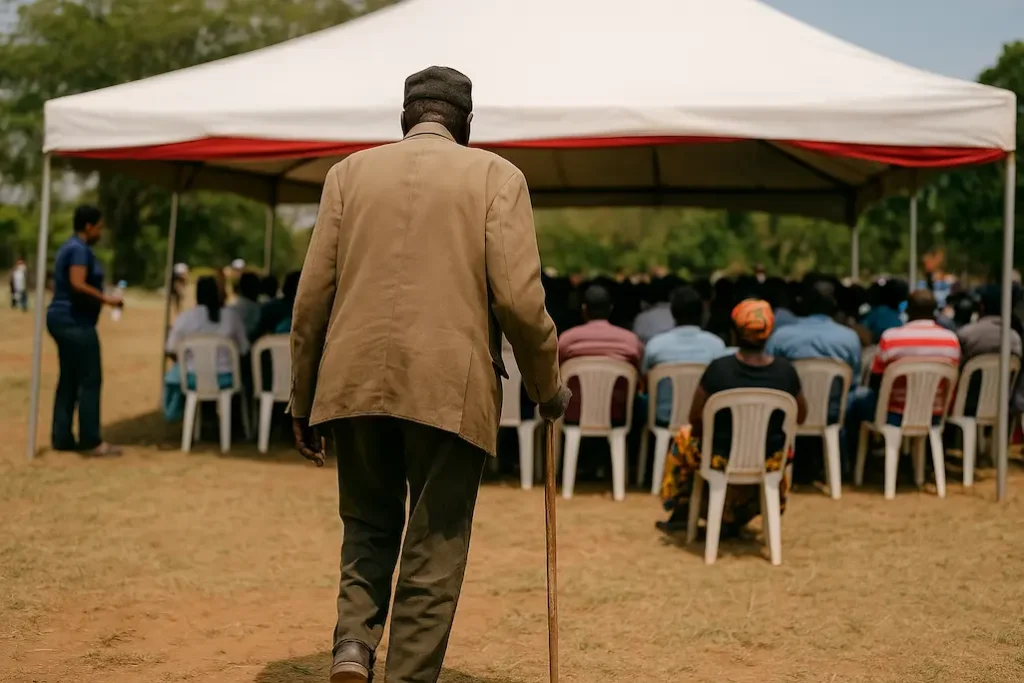
    An elderly African man wearing a brown jacket and hat walks with a wooden cane toward a white-and-red tent filled with seated people during a community Mashujaa Day celebration on a sunny day.

    When we talk about Mashujaa Day, most of us picture the famous heroes who fought for Kenya’s independence—people like Dedan Kimathi, Mekatilili wa Menza, and Tom Mboya. But this year, as I stood watching an ordinary celebration in my neighborhood, I realized something deeper. The ordinary Kenyan struggles around us hold just as much heroism as the great acts in our history books.


    The Morning That Changed My Perspective

    It was Mashujaa Day morning, and my house was buzzing with activity. My son was performing with his school band, and the celebration was being held at a rural school ground near our home. It felt like the perfect opportunity to take my almost four-year-old daughter out for some fun after finishing my house chores.

    As I hurried to get ready, I could already hear the drums and trumpets echoing through the valley. That sound—energetic, patriotic, and joyful—pulled me out of the house faster than I expected. I dressed quickly, packed a bottle of water for my daughter, and we walked toward the school grounds.

    By the time we arrived, the band had finished playing, and the speeches had already begun. I sighed, a little disappointed, but still grateful to be part of the event. The school band was performing alongside the police band, which gave the whole celebration an inspiring, unified feel—young students and officers sharing one rhythm for the love of the country.


    An Unexpected Act of Kindness

    As we stood looking for seats, a lady carrying bottled water behind the tents smiled at us warmly. “Would you like some?” she asked. I nodded gratefully and took two bottles—one for me, one for my daughter. It was a small act, but it reminded me that sometimes, patriotism isn’t loud. It’s quiet kindness in the little things we do for others.

    The sun was blazing that morning. Under one of the tents, a uniformed police officer—or maybe he was an administrator—was helping people find seats so they wouldn’t have to sit in the heat. That simple gesture impressed me. Government officers aren’t always known for empathy, yet here he was, guiding people with patience and care.


    Ordinary Kenyan Struggles in Every Corner

    As I sat listening to speeches, my daughter tugged at my hand. “Mummy, can we go play?” she whispered. I asked if she was bored and if we should go home, but she said, “Let’s stay.” Her simple insistence reminded me—sometimes showing up is more important than being entertained.

    Then, an elderly man caught my eye. He walked slowly with a limp, leaning on a stick, yet determined to attend the occasion. Watching him stirred something in me. He could have stayed home, but he didn’t. He knew the meaning of the day—the weight of history and the pride of showing up for one’s country. That moment defined what ordinary Kenyan struggles mean to me: resilience, presence, and dignity even when life isn’t easy.


    Why We Celebrate Mashujaa Day

    Before I go further, let’s pause and remember why Kenya celebrates Mashujaa Day. The day, previously known as Kenyatta Day, honors those who fought for our independence and those who continue to build the nation in their everyday lives. You can read more about its origin and history on BBC Africa, which explains how it evolved from a remembrance of political prisoners to a celebration of all heroes—past and present.

    Today, that definition includes the unsung heroes around us: parents, workers, farmers, students, and hustlers who wake up daily to keep their families and communities alive. Their courage is the heartbeat of Kenya.


    The Hidden Heroes Behind Ordinary Kenyan Struggles

    True heroism doesn’t always make the news. It shows up in small, consistent acts of strength—the mother selling vegetables on the roadside, the father doing two jobs to pay rent, the youth pushing a mkokoteni through traffic to earn just enough for supper.

    It’s also in the woman balancing a sick patient at home while still finding food for her children. Or the hawker selling dawa ya mende from one street to another—have you ever stopped to wonder how much they take home each day? Probably very little. Yet they wake up and do it again tomorrow.

    These are the people who carry Kenya on their shoulders. Their ordinary Kenyan struggles are the real stories of bravery.


    Strength in Simplicity

    That Mashujaa Day event ended beautifully. The organizers handed out soda and buns for the children and plates of rice and beans for adults. The gesture may have been simple, but it brought everyone together—community, laughter, and gratitude filling the air.

    Watching people share food and smiles reminded me that heroism is often found in the ordinary moments we overlook. It’s in how we care for one another, how we keep hope alive, and how we show up even when it’s hard.

    As I looked around, I saw mothers with babies on their laps, elders chatting under trees, and teenagers proudly waving small Kenyan flags. Everyone there represented a story of persistence—proof that ordinary Kenyan struggles are not a weakness but a source of strength.


    How We Can Honor Today’s Mashujaas

    So, how do we celebrate these heroes? We start by noticing them. Appreciate the people around you—the guard who opens the gate every morning, the boda rider who ensures you get home safely, the teacher shaping young minds in rural schools, or the farmer working tirelessly in unpredictable weather.

    Let’s also support one another in tangible ways. Buy from small businesses. Speak kindly. Offer help without expecting a reward. Heroism doesn’t have to be grand—it can be as simple as showing up and doing your best where you are.


    Learning from Ordinary Heroes

    Everyday Kenyans remind us of values that books can’t teach—patience, endurance, and faith. They are the reason we still have hope as a nation.

    If you’re looking for inspiration to strengthen your mindset and organize your daily life, check out these reads that celebrate persistence and discipline:
    📚 Atomic Habits by James Clear
    📚 The Power of Habit by Charles Duhigg
    📚 The Life-Changing Magic of Tidying Up by Marie Kondo

    These books blend lessons on structure, motivation, and small changes—perfect for anyone navigating their own ordinary Kenyan struggles.


    Closing Reflections

    As I walked home that afternoon, holding my daughter’s hand, I realized that every person I had seen that day—the band members, the officer, the old man, the lady offering water—had taught me something about resilience and hope.

    Mashujaa Day isn’t just about remembering heroes from the past. It’s about recognizing the heroes we meet every day. It’s about the courage to show up, the humility to serve, and the strength to keep going when life gets hard.

    So, this year, my Mashujaas are not on posters or in parades. They are in homes, markets, offices, and streets—people like you and me, who rise every morning to face life with grace.


    Call to Action (CTA)

    Who is your everyday hero? Share your story in the comments or tag someone who inspires you to keep going. Let’s make this Mashujaa Day a celebration of ordinary Kenyan struggles—the real heartbeat of our nation.

  • Don’t Give Up: The Cry of a Single Mum — Claim Blessing Now

    A single African mother stands in a peaceful forest, eyes closed and hands clasped in prayer, expressing deep emotion and faith under the words “Don’t Give Up — The Cry of a Single Mum.”

    “Call upon the name of the Lord; the name of the Lord is a strong tower; the righteous run to it and are safe.” — Proverbs 18:10

    Today, I stand at a crossroads. I had to make a choice: give up my dream for my children, or press into God’s promise and ask Him to bless me, enlarge my territory, and protect me. (Jabez prayer) I cried out, “Lord, don’t let me settle for less than what You’ve purposed.”

    If you’re reading this — perhaps you, too, are weary, stretched, and wondering how to carry on — this is for you. Don’t Give Up: The Cry of a Single Mum — Claim Blessing Now.

    When you’re operating in the tension of provision and promise, in seasons where your bank account is empty but your faith is full, that’s when the real stories are born. Today, I want to share my own journey, the lessons I’m learning, and how I lean into God when it feels like the world is pressing in.


    The Stress That Pushes You to God

    They said it couldn’t be done — or at least, you couldn’t do it. A school event needed 3,000 shillings. In many homes, that’s nothing. In my world, it loomed large.

    Working in a place where pay is uncertain often means living in constant anxiety. As of October 16th, I had not been paid for September. I had hoped that today would bring relief. Unfortunately, when I realized it wouldn’t, panic rose inside me. I reached out to friends; one came through, and for that, I’m grateful. Yet afterward, I felt hollow — like my strength had been drained completely.

    At that moment, I ran to God and whispered the Jabez prayer:

    “Oh, that You would bless me indeed, and enlarge my territory,
    Let Your hand be with me, and keep me from harm, and cause me to avoid evil…”

    I needed more than a quick fix. What I needed was a God who could stretch His hand over my life, protect me, and empower me to say yes to the dreams I had for my children.


    The Quiet Place: Finding Solitude to Hear God

    When life noise becomes deafening — with people’s opinions, impossible expectations, bills, and responsibilities — silence becomes sacred. One afternoon, I walked into a grove of trees, away from people, where the wind rustled the leaves, and I could finally hear my own heart.

    There, I told God everything.

    • “I love my children. I want them to grow and flourish.”
    • “I don’t want them to miss opportunities because of my lack.”
    • “I can’t keep borrowing hope from others.”
    • “If people tell me to give up — help me stand firm in Your purpose for me.”

    That quiet conversation wasn’t dramatic; it was raw. Yet God didn’t leave me hanging. He reminded me of His promises: provision, enlargement, protection.

    As I sat there, Proverbs 18:10 came alive: “The name of the LORD is a strong tower; the righteous run into it and are safe.” I ran, I hid, and ultimately, I surrendered.


    When Others Say “Let It Go”

    One of the hardest parts of this journey is hearing people around you say your dreams are too big. Comments like, “You don’t have capacity,” or “It’s too lofty for your situation,” sting deeply.

    However, I’ve learned this truth: God’s dream for you will always stretch you beyond your comfort zone.

    While those voices can wound, they don’t define your future. They whisper, “You can’t.” But God whispers louder: “I’ve called you. I will equip you.”

    So to every single mum who has been told to shrink her dream because of lack, remember this:

    • You are not too much.
    • Your children deserve the best your faith can produce.
    • God Himself will defend your purpose when others misunderstand.

    Lessons from Past Reflections

    Sometimes, looking back helps us move forward. I’ve found strength in my earlier reflections on Lobby Reflections:

    These reflections remind me that every trial is part of a larger redemption story God is still writing.


    Strategies I’m Embracing: Practical Steps While You Wait

    Faith without works is dead, so I try to balance prayer with action. Here’s what I’m doing while waiting on God:

    1. Small Gigs and Side Hustles
      Even a small income stream helps. Maybe you can tutor, bake, deliver, or offer a skill you already have.
    2. Budget Tightening and Priorities
      I now focus on essentials — food, school, rent — and review everything else carefully.
    3. Community and Accountability
      Staying connected to friends who pray and speak truth keeps me grounded.
    4. Daily Retreats
      It doesn’t have to be dramatic. Ten minutes of journaling or quiet prayer realigns my heart.
    5. Speaking the Word
      Each morning, I declare scriptures: “God will supply all my needs” (Philippians 4:19), and “No weapon formed against us shall prosper” (Isaiah 54:17).
    6. Learning and Investing in Myself
      Books that build faith and capacity have been my lifeline. (See my Amazon picks below.)

    Amazon Picks to Strengthen Faith and Courage

    (Affiliate links — thank you for supporting Lobby Reflections!)

    While none of these are quick fixes, they are powerful companions for your soul. Let them ignite hope as you wait for God’s provision.


    Holding Your Dream: Keeping the Vision Alive

    • Write it down. Use a vision board or a simple notebook. Seeing your goals reminds you of what you’re fighting for.
    • Celebrate small wins. If you save even 100 shillings or get a word of encouragement, rejoice in it.
    • Protect your mind. Avoid the voices that limit your belief and feed on the Word daily.
    • Choose consistency over intensity. Slow faith is still faith — one prayer, one act at a time.
    • Share your story. Vulnerability isn’t weakness; it’s ministry.

    A Single Mum’s Prayer of Claiming Blessing

    Lord,
    You see me. You know me.
    I ask — bless me indeed.
    Enlarge my territory — in influence, in provision, in wisdom.
    Let Your hand be upon me.
    Keep me from harm. Protect my children.
    When the voices say quit, speak louder.
    When my heart trembles, remind me You are near.
    Strengthen me to hold my dream.
    I trust You.
    I believe You will move.
    In Jesus’ name, Amen.


    Final Encouragement and Call to Action (CTA)

    Dear single mum — you are not alone. Your tears are sacred, your prayers are heard, and your faith matters. Today, make a decision to claim blessing now. Don’t resign or shrink. God is working even when you don’t see it.

    Read, Pray, and Act:

    • Choose one of the books above and read a chapter this week.
    • Revisit my posts The Cost of Leadership, Faith in Desperate Times, and Redemption for Families.
    • Share this post with another woman who needs to hear: Don’t give up — claim blessing now.
    • Leave a comment below: what’s one thing you’ll do this week to stretch your territory by faith?

    I believe in you. God sees you. He’s not done yet.

  • Lessons from a Burial: A Quiet Lesson on Kindness

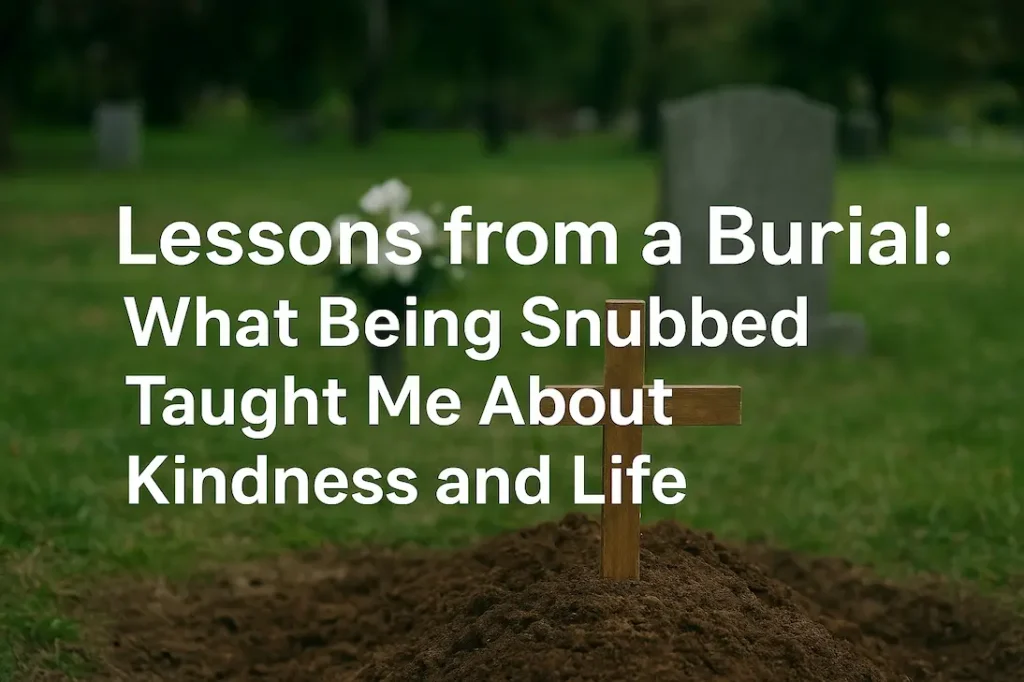
    A freshly dug grave with a simple wooden cross in a peaceful cemetery, surrounded by grass and tombstones, symbolizing reflection and life's quiet lessons.

    Sometimes, the deepest lessons from a burial come not from the sermon—but from a silent glance, a soft song, or even the sting of being snubbed.

    I had just begun a five-day break from work. On the very first day, I joined four church friends for a burial trip upcountry. We travelled in one of the group’s personal vehicles — five of us, light conversation, laughter, and that easy road-trip rhythm that makes you forget your responsibilities for a while.

    We joked about snacks, playlists, and who would “represent us well” when it came to serving food later. The mood was great — no heaviness yet, just the warmth of familiar company and gospel music humming softly in the background.


    Arriving Early: The Quiet Observer

    We arrived early, before most guests. The place was buzzing with people reconnecting — long-lost cousins, former classmates, and neighbors exchanging small talk.

    The introvert in me quietly drifted away, found an empty seat under one of the tents, and scrolled my phone as I waited. Sometimes silence is comfort, especially when surrounded by noise that doesn’t require your participation.

    Soon, the atmosphere softened. A young man began to sing soulful gospel tunes, accompanied by gentle piano chords. His voice carried through the air — calm, pure, and deeply moving.

    That’s when I took a proper look around. We were in a large school compound, with tents arranged in a U-shape. Behind us stood a storied classroom block, and faint sounds of schoolchildren drifted through the windows. Life, as always, moving on.


    The Ceremony and the Sermon I Forgot

    The program began: opening prayers, family tributes, and stories about the deceased — a 46-year-old man described as kind, hardworking, and devoted.

    Then came the sermon. I wish I remembered what the preacher said, but I honestly don’t. Maybe my mind wandered, maybe grief numbed me, or maybe I was just tired from the journey.

    Yet even without recalling the words, I remember the feeling — that quiet reminder that our days are limited, and our impact on others is what truly remains.

    For more reflections like this, you can read my earlier post “The Thankless Job of a Hero: The Cost of Leadership”, where I explored how even unnoticed acts can shape lives.


    The Moment I Was Snubbed

    Then came the offering time. My friends were seated on my right, and to my left was a lady holding a copy of the eulogy booklet that included the hymn lyrics.

    The songs were in my vernacular language — beautiful, nostalgic, filled with childhood memories of church choirs and shared faith. I leaned over politely and asked if I could borrow her booklet so I could sing along.

    She looked at me briefly… then looked away. No response. No explanation. Just silence.

    For a few seconds, I froze. It wasn’t anger I felt — more of surprise. Maybe even embarrassment. I smiled weakly and sat back, pretending it didn’t matter, but inside, something ached.


    Reflecting on the Snub

    As the service went on, I kept thinking about it. Maybe she was grieving. Maybe she was guarding her copy. Or maybe she just didn’t feel like sharing.

    We never really know what people are carrying. Still, the moment stuck with me — not because it was cruel, but because it was a quiet lesson.

    How often do we overlook small opportunities to be kind? A smile. A shared booklet. A simple acknowledgment. They cost nothing, yet they can warm even the coldest moments.

    Later, during the drive back, I hummed one of the hymns softly to myself and realized — the lesson wasn’t about being snubbed. It was about keeping a soft heart even when the world forgets gentleness.

    If you’ve ever been in a similar situation, you might relate to “Handling Unstable Customers in Customer Care Kenya”, where I wrote about staying calm and kind in challenging moments.


    Lessons from a Burial: Small Kindnesses that Matter

    Every experience — even a burial — carries a hidden message. For me, this one whispered three truths that have stayed with me:

    1. People are layered.
      We see reactions, not reasons. Everyone is fighting invisible battles.
    2. Silence teaches.
      The moments we’re ignored or overlooked often sharpen our empathy.
    3. Kindness never expires.
      You don’t lose anything by being kind — even when others aren’t.

    It reminded me of something I once wrote in Blending Technology and Human Care:

    “The heart of every interaction — digital or human — is empathy.”

    And it’s true. Whether in customer service, at home, or in a rural funeral gathering, our behavior toward others is what defines us most.


    Books That Shape Emotional Awareness

    After returning home, I journaled about the experience. That’s when I realized I had unconsciously been collecting books that teach kindness and awareness — small daily practices that keep the heart open.

    If you’ve ever struggled to stay kind when the world feels indifferent, these reads might speak to you:

    Each of these books has taught me that emotional maturity isn’t built in grand gestures — it’s nurtured in the small, daily choices to stay kind, calm, and aware.


    Grace in the Mundane

    When I think about those five days off, that trip stands out — not for the food, or the speeches, but for that one quiet moment that changed how I see people.

    Life is full of individuals who will ignore you, misunderstand you, or simply overlook your presence. But when you choose gentleness over bitterness, you win a quiet victory every single time.

    Next time you’re tempted to withhold a small act of kindness — whether it’s sharing a seat, offering a smile, or lending a hymnbook — remember: someone might be silently needing that grace.

    Because the greatest lessons from a burial often come long after the grave is covered — in how we choose to live, love, and extend compassion while we still can.


    Related Reads:

    Outbound Resource:
    Learn more about empathy and human connection from the Greater Good Science Center at UC Berkeley.


    💬 Join the Reflection

    What small moment has ever taught you a big lesson?
    Share your story in the comments below or tag me on Facebook — I’d love to hear your reflection.

    ✨ Explore my recommended reads and tools on Amazon — they’ve shaped many of the stories you read here.

  • Read the Fine Print Before Signing a Contract: My Costly Lesson

    A person examining the fine print of a legal document with a magnifying glass while holding a pen, emphasizing careful reading before signing a contract.

    Have you ever jumped into something that looked simple—only to find it came with unexpected layers of work? I recently saw a short clip that captured this perfectly. That took me back to why we should read the fine print before signing a contract.

    A son walks into the kitchen to help his mother with the dishes. The sink looks almost empty. He rolls up his sleeves, ready to finish in minutes. But the moment the mother hands him the soap and sponge, boom!—she starts pulling out a hidden mountain of dirty utensils from nowhere.

    The caption read: “When you get into a project without knowing the scope of work.”

    It made me laugh, but it also hit close to home. That’s why you should always read the fine print before signing a contract—because what looks simple at first can hide a mountain of hidden terms, just like those dishes.


    My Insurance Wake-Up Call: When I Didn’t Read the Fine Print

    A few years ago, I signed up for an insurance policy meant to mature in ten years. The agent’s pitch sounded great. The premiums seemed manageable. Without asking too many questions, I signed.

    Two years later, I quit my job and thought I could withdraw my savings. Imagine my shock when I learned I could only access 20% of the money I had contributed!

    It turned out the remaining 80% was tied up in surrender penalties and policy rules I had never noticed. My agent hadn’t mentioned this clearly, and I hadn’t bothered to read the fine print.

    That’s when I realized—ignorance is not a defence.


    Why You Should Always Read the Fine Print Before Signing a Contract

    Whether you’re signing a job offer, taking an insurance policy, or committing to a loan or service plan, you must understand every clause.

    Most of us rush through agreements, trusting the summary or the salesperson’s words. But contracts are like that sink—you only see what’s on the surface until you look deeper.

    Here’s what reading the fine print protects you from:

    Hidden Fees and Penalties

    Many contracts have hidden charges for early termination, late payments, or cancellations. These can drain your finances over time.

    Unclear Exit Terms

    That “easy exit” might actually require a 60- or 90-day notice. Without reading the fine print, you may be locked in longer than you planned.

    Automatic Renewals

    Some agreements renew automatically unless you cancel in writing. Miss that window, and you’re stuck for another term. (AARP)

    Exclusions and Limitations

    In insurance, fine print clauses often state what’s not covered—things like job loss, pre-existing conditions, or early withdrawals.

    If you don’t study those lines, you might assume protection that doesn’t exist.


    Lessons From Not Reading the Fine Print

    That insurance lesson cost me money, but it taught me lifelong habits about handling contracts.

    1. Pause Before You Sign.
      Don’t rush just because someone says “everyone is doing it.” Take time to read and understand.
    2. Ask the What-If Questions.
      What happens if I lose my job? Can I exit early? What if I skip one payment?
    3. Never Rely Solely on Verbal Promises.
      If it’s not written in the contract, it doesn’t exist. Always insist on written confirmation.
    4. Keep Copies.
      Store every agreement you sign, including email trails and receipts.
    5. Review Periodically.
      Go through your policies every year. Circumstances change—so should your understanding.

    How to Read the Fine Print Before You Sign

    Reading a contract can be overwhelming. But breaking it down helps.

    StepActionWhy It Matters
    1. Identify the PartiesMake sure the contract names you (or your business) correctly.Prevents disputes later.
    2. Highlight Key SectionsFocus on Payment, Termination, Penalties, and Renewal.These are the “hidden dishes.”
    3. Look for Warning WordsWords like “unless,” “subject to,” or “in our discretion.”They often hide exceptions.
    4. Search for Exit ClausesUnderstand what happens if you want to leave.Saves you from paying unnecessary penalties.
    5. Clarify Ambiguous TermsIf you don’t understand something, ask.Never sign what you can’t explain.

    A helpful guide on Lexagle shows that many costly mistakes come from clauses consumers overlook—like renewal periods or penalty schedules.


    Hidden Costs You Miss When You Don’t Read the Fine Print

    Ignoring fine print can lead to both financial and emotional losses.

    • Bank Loans: Some have variable interest rates that increase after the first year.
    • Digital Subscriptions: Free trials that convert into paid plans after 7 days.
    • Insurance Policies: Surrender penalties and waiting periods that limit access to funds.
    • Employment Contracts: Clauses that prevent you from working with competitors after resignation.

    These examples show that reading the fine print before signing a contract isn’t optional—it’s financial self-defense.


    How Financial Literacy Helps You Avoid Fine Print Traps

    When you understand money, you become less vulnerable to confusing jargon and quick sales tactics. Books have helped me sharpen this skill, and I recommend a few that align perfectly with this topic:

    📘 The Psychology of Money — Morgan Housel explains how emotions and behavior shape financial choices more than logic.

    📗 The Total Money Makeover — Dave Ramsey’s guide to getting out of debt and building long-term stability.

    📕 I Will Teach You to Be Rich — Ramit Sethi’s hands-on lessons about handling money smartly, including understanding financial agreements.

    These reads are worth checking out if you want to gain control over your financial future (affiliate links).

    For more inspiration, see my post on September Books of the Month 2025—I highlight other titles that help improve personal growth and decision-making.


    Real-Life Examples of Why You Should Read the Fine Print

    • Credit Card Offers: That “0% interest for six months” can jump to 30% after the promo ends.
    • Loan Applications: Early repayment can trigger penalties instead of savings.
    • Insurance Surrender: Just like my experience, withdrawing early often means losing most of your contributions.

    As shared in my blog post on Money Management in Business, wise financial decisions come from preparation, not panic.

    The same principle applies in professional settings. Even when dealing with clients or employment contracts, etiquette and clarity matter—something I also explored in Customer Etiquette at the Front Desk.


    The Cost of Not Reading the Fine Print

    Here’s what skipping the fine print can cost you:

    • Money: Hidden charges, penalties, or reduced payouts.
    • Time: Locked-in commitments or renewal cycles.
    • Peace of mind: The stress of discovering surprises too late.

    A detailed explainer on AARP confirms that consumers lose billions annually to overlooked contract clauses.


    Final Thought: Ignorance Is Not a Defence

    That short kitchen video may have been meant for laughs, but it’s one of the best illustrations of how life works. What seems simple can hide a complex workload—just like contracts and policies.

    Before you sign anything, remember:

    • Read the fine print before you sign.
    • Ask questions.
    • Clarify and keep copies.
    • Don’t assume your agent or HR will explain everything.

    Because at the end of the day, what you don’t know can cost you.

    So pause. Breathe. Read the fine print. Then sign—with confidence and understanding.


    Disclosure: This post contains affiliate links. If you purchase through them, I may earn a small commission at no extra cost to you. I only recommend books and products I truly find valuable for personal growth and financial literacy.

  • Children’s Bibles and Toys: Best Picks in Kenya and on Amazon

    Stack of colorful children’s Bibles alongside wooden toys including a toy train, building blocks, a toy car, and a bead maze on a wooden surface.

    Finding the right children’s Bibles and toys is every parent’s dream, whether you’re shopping on Amazon or exploring local Kenyan stores like Jumia, Keswick, or Bible Society of Kenya. These items are more than just gifts—they plant seeds of faith, encourage learning, and bring joy to children of all ages.

    As a parent, guardian, or even a thoughtful aunt or uncle, you want to give a child something that inspires faith, nurtures curiosity, and brings joy. Whether you’re browsing Amazon’s wide selection or shopping locally in Kenya through Jumia, Keswick Books, and Bible Society of Kenya, this guide will help you compare options, prices, and quality so you can make the best choice for your child.


    Why Children’s Bibles and Toys Matter

    Every child deserves two things in their growing years: faith and fun.

    • Children’s Bibles introduce kids to God’s Word in simple, illustrated ways. They build a foundation of values such as kindness, courage, forgiveness, and love. From board books for toddlers to illustrated storybooks for older kids, these Bibles help parents nurture faith early.
    • Children’s toys are more than playthings. The right toy develops motor skills, sparks creativity, encourages teamwork, and fosters emotional growth. From STEM building blocks to pretend play sets, toys are powerful learning tools.

    By combining children’s Bibles and toys, you give your child both spiritual nourishment and practical development.


    Shopping for Children’s Bibles and Toys on Amazon

    Amazon is one of the largest platforms for children’s Bibles and toys, offering unmatched variety. Parents across the world recommend these bestsellers:

    1. The Action Bible: God’s Redemptive Story – A comic-style Bible that makes Scripture come alive for older kids.
    2. The Beginner’s Bible: Timeless Children’s Stories – Perfect for toddlers and early readers, with bright illustrations.
    3. The Complete Illustrated Children’s Bible – A beautiful hardcover option for family devotion.
    4. 365 Bible Stories and Prayers – Excellent for daily bedtime reading.

    When it comes to toys, Amazon shines with globally recognized brands such as LEGO, Melissa & Doug, Play-Doh, and VTech. Examples include:

    Advantages of Amazon:

    • Huge variety of Bibles and toys.
    • Helpful customer reviews.
    • Frequent discounts and bundles.

    Challenges for Kenyan shoppers:

    • Shipping costs and import taxes often double the price.
    • Long delivery times (2–6 weeks).
    • Limited returns once items arrive in Kenya.

    👉 Tip: If you shop on Amazon, check Amazon Global shipping deals and consolidated shipping services. For practical guidance, read my post on how to shop Amazon from Kenya.


    Children’s Bibles and Toys in Kenya: Jumia, Keswick, and More

    For Kenyan parents, the local market has strong options:

    Bible Society of Kenya

    They stock affordable Bibles tailored for children:

    • The Lion Children Bible (~ KSh 1,000).
    • Starter Bible for toddlers (~ KSh 1,044).
    • The 365 Day Children’s Bible (~ KSh 1,740).

    👉 See the full catalogue on Bible Society of Kenya.

    Jumia Kenya

    Jumia offers everything from toys to imported Bibles. Popular picks include:

    • Scooters and bikes.
    • Building block sets.
    • Dolls and action figures.
    • Board games and puzzles.

    Check the latest deals on Jumia Kids & Toys.

    Keswick Books & Gifts

    A trusted Christian bookstore in Kenya, stocking children’s Bibles, devotionals, activity books, and faith-based storybooks. Perfect for parents who want a Bible plus a fun activity book for their child.

    Local Toy Shops

    Shops like Kiddy Toys, Toy Palace, and Angie’s Baby Shop sell quality toys. Many allow you to inspect the product in person, giving you peace of mind on safety and durability.


    Comparing Amazon vs Kenya for Children’s Bibles and Toys

    FactorAmazonKenyan Market
    VarietyGlobal, unmatchedModerate but practical
    CostAttractive prices, but higher with shippingAffordable, no import costs
    Delivery2–6 weeksSame-day or 2–3 days
    ReturnsComplex from KenyaEasier locally
    Faith EditionsNiche and premium optionsSimple, child-friendly editions

    👉 Bottom line: Shop Amazon for exclusive or premium editions of children’s Bibles and branded toys. Choose Kenyan outlets for affordable, quick, and reliable options.


    Tips for Choosing Children’s Bibles and Toys

    For Bibles:

    1. Match to age: toddlers need simple board books, older kids can handle full story Bibles.
    2. Look for colorful illustrations.
    3. Pick child-friendly translations (NIV, NLT).
    4. Choose durable formats like hardcover or board books.

    For Toys:

    1. Always check safety certifications.
    2. Choose age-appropriate options.
    3. Balance fun with educational value.
    4. Look for durability—especially for active play.

    Internal Links for Parents Who Want More


    Call to Action: Give the Gift of Faith and Play

    The best gift you can give a child is one that lasts beyond the moment. A children’s Bible plants seeds of faith that grow for life. A toy sparks imagination, creativity, and joy. Whether you buy from Amazon’s global marketplace or from Jumia, Keswick, or Bible Society of Kenya, you’re investing in a child’s future.

    👉 Start shopping today. Check out the bestselling children’s Bibles on Amazon, or explore affordable options at Bible Society of Kenya and Jumia Kids & Toys.


    Final Thoughts

    Parenting in Kenya today means you have access to both local and global marketplaces. Amazon gives you variety, while local outlets like Bible Society, Jumia, and Keswick give you affordability and speed. The best choice depends on your child’s needs and your budget.

    Remember: children’s Bibles and toys are not just purchases. They are building blocks for faith, imagination, and lifelong learning.

  • How to Shop on Amazon from Kenya Without Spending a Fortune on Shipping

    Illustration showing a laptop with the Amazon logo, a shipping box, and a shopping bag, symbolizing affordable Amazon shopping from Kenya.

    You’ve seen it before: that perfect gadget, book, or accessory on Amazon. The price looks amazing… until you add shipping to Kenya. Suddenly, the “good deal” doubles or even triples in cost.

    For many Kenyan shoppers, high shipping costs and unexpected customs fees make Amazon feel out of reach. But here’s the truth: it doesn’t have to be. With the right strategies, you can enjoy global shopping while avoiding unnecessary costs.

    In this post, I’ll walk you through practical tips on how to shop on Amazon from Kenya without spending a fortune on shipping. Whether you’re after books, office essentials, fashion, or digital products, these hacks will help you save more and stress less.


    Why Amazon Is Popular — But Tricky for Kenyans

    Amazon is the world’s largest marketplace for a reason:

    📦 Huge variety of products not always available locally.

    💵 Competitive pricing, often cheaper than Nairobi shops.

    🌍 Access to global brands trusted worldwide.

    The downside? Shipping and import duties can sometimes cost more than the product itself. That’s why so many Kenyans give up at checkout. But with the strategies below, you can shop smarter.


    1. Favor Lightweight and Small Products

    Shipping costs depend heavily on weight and size. The bigger and bulkier an item, the higher the cost.

    💡 Instead of ordering heavy household goods, focus on:

    • Phone accessories
    • Cables and chargers
    • Jewelry and watches
    • Beauty products
    • Small electronics
    • Books and stationery

    Even better, go digital. With Kindle eBooks, Audible audiobooks, or online courses, there’s zero shipping. You get instant access at a fraction of the cost.

    👉 Pro Tip: When browsing, filter for “Amazon Global Eligible” items. These calculate shipping and duties upfront, helping you avoid surprise charges.


    2. Use Freight Forwarders and Consolidators

    One of the smartest tricks for Kenyan shoppers is using freight forwarding services. These companies give you a U.S. or UK address, receive your packages, bundle them together, and ship them to Kenya at a lower overall cost.

    Popular options include:

    How it works:

    1. Sign up and get a foreign shipping address.
    2. Shop on Amazon and deliver to that address.
    3. The company consolidates your items.
    4. They ship everything to Kenya, where you pay delivery and customs.

    ✅ Why this works: You avoid paying multiple shipping charges for small items, and bulk freight is usually cheaper.


    3. Compare With Local Alternatives

    Before clicking “Buy Now” on Amazon, always check if the item is available in Kenya. Platforms like Jumia, Kilimall, and Masoko often stock global brands. Local shops such as Purpink and Keswick also carry unique products that might surprise you.

    Here on Lobby Reflections, I’ve shared guides that also highlight smart local and online shopping options:

    Checking both Amazon and local platforms ensures you get the best value.


    4. Buy in Bulk to Spread Out Costs

    Another simple but powerful strategy: don’t buy one tiny item on its own. Shipping for a single cable may not make sense. But buying five at once spreads the shipping cost across each unit.

    This works especially well for:

    • Clothing (e.g., order 3–5 T-shirts instead of one)
    • Books (bundle them into one package)
    • Kitchen items (buy sets instead of singles)

    Bulk buying also makes sense if you plan to resell some items locally for extra income.


    5. Choose Amazon Global With Import Fees Deposit

    Amazon sometimes offers items under Amazon Global Store that ship directly to Kenya. These products show an Import Fees Deposit — an estimate of customs charges — at checkout.

    That means you pay for product, shipping, and taxes all at once. No nasty surprises when your package lands in Nairobi.

    👉 Pro Tip: Look for the badge “Ships to Kenya” when browsing Amazon Global items.


    6. Focus on Digital Products

    The best way to avoid shipping costs? Skip shipping entirely.

    Amazon offers plenty of digital options that work perfectly for Kenyan shoppers:

    For book lovers, Kindle Unlimited is especially powerful. It gives you access to thousands of titles for less than the cost of shipping one book.


    7. When to Use Amazon, and When to Go Local

    After all these strategies, how do you decide?

    ✅ Use Amazon when you need niche, global, or rare products unavailable in Kenya, or when shopping digital.
    ✅ Use local stores when the product is bulky, widely available, or time-sensitive.

    Think of Amazon as your strategic shopping solution, not your everyday default.


    Conclusion

    Shopping on Amazon from Kenya doesn’t have to drain your wallet. By choosing lightweight items, using freight forwarders, buying in bulk, and comparing local alternatives, you can make global shopping affordable.

    The key is balance: mix Amazon for specialty and digital products with local platforms for everyday essentials. That way, you enjoy the best of both worlds.

    👉 Don’t let high shipping hold you back. Try these hacks the next time you shop online, and explore more tips in my reflections on affordable office essentials and boosting your morning routine.

  • September Books of the Month: Finding Time to Read in a Busy Life

    September books of the month featuring A Father’s Story, The Guardians, Atomic Habits, Event Planning: The Ultimate Guide, and Why You Act the Way You Do displayed on a wooden table.

    Finding Time to Read When Life is Busy

    Life is extra busy nowadays. Between work, family, side hustles, and endless responsibilities, reading can feel like a luxury reserved for those with more free time. But for me, books are more than just pastimes—they are lifelines. They help me think, reflect, and even recharge after long days.

    The question is: Where do I get the time to read?

    The truth is, I don’t always have hours to spare. Instead, I steal moments—while walking home (though I once saw someone on social media warn about using phones in public spaces, and I agree: safety first!), during my lunch break, or just before bed when the house is quiet. Even ten minutes a day can carry me through chapters over time. And every small moment adds up.

    This September, I managed to immerse myself in a mix of books—some heartbreaking, some inspiring, some deeply practical. Here are my September books of the month, and why I think they might speak to you, too.


    1. A Father’s Story by Lionel Dahmer

    What does it mean to be a father when your child commits unthinkable crimes? Lionel Dahmer’s memoir wrestles with this impossible question. His son Jeffrey was accused of molestation, murder, and even cannibalism. For any parent, such news is devastating. Yet Lionel’s story is not just about shock—it’s about the complex, painful, and unwavering love of a father who could not give up on his son, no matter how many times he was horrified by his actions.

    This book made me pause and reflect on family ties, the burden of shame, and the kind of endurance love sometimes demands. It’s not an easy read, but it’s an honest one.
    👉 Get A Father’s Story on Amazon


    2. The Guardians by John Grisham

    I have always been drawn to stories of justice and injustice, and John Grisham never disappoints. The Guardians is based on the real-life story of Joe Bryan, a man who spent 33 years in prison for allegedly killing his wife—on evidence so flimsy it should never have gone to trial.

    What struck me most was how the justice system can destroy lives, even when the truth eventually comes out. Joe Bryan’s freedom didn’t come with full exoneration; the stain of wrongful conviction lingered.

    For anyone interested in how fragile justice can be, this book is both enraging and enlightening. It also reminded me that advocacy matters—sometimes one voice speaking up can make the difference.
    👉 Get The Guardians on Amazon


    3. Atomic Habits by James Clear

    This one has been on many bestseller lists for a reason. James Clear reminds us that the secret to big change lies not in one grand decision but in the small, repeated habits we practice daily. Whether it’s losing weight, saving money, or seeking financial freedom, tiny habits accumulate into powerful transformations.

    One of my biggest takeaways? Never underestimate the power of compound growth. Just as money multiplies with interest, small daily choices compound over time to create big results.

    Whenever I feel overwhelmed, this book helps me remember that consistency is more important than perfection.
    👉 Get Atomic Habits on Amazon


    4. Event Planning: The Ultimate Guide by Judy Allen

    I’m currently reading this one as I prepare for my first-ever event. Planning anything new can feel overwhelming—the logistics, budgeting, and pressure to succeed. Judy Allen breaks it down step by step, offering practical guidance that helps diffuse the fear of the unknown.

    As someone learning the ropes of event planning, this book is like having a mentor walk me through the process. I’m discovering that preparation, knowledge, and structure are the best antidotes to anxiety.
    👉 Get Event Planning: The Ultimate Guide on Amazon (affiliate link)


    5. Why You Act the Way You Do by Tim LaHaye

    Though not a new read, this book has stayed with me for years. Tim LaHaye’s exploration of personality and temperament opened my eyes to self-awareness. For a long time, I struggled with self-judgment—wondering why I reacted a certain way or felt “different” from others. This book helped me understand my temperament and see both my strengths and weaknesses more clearly.

    What I love most about it is how it frees you from the trap of comparison. Once you know why you act the way you do, you can extend grace to yourself and even to others. It’s a reminder that growth starts with self-understanding.
    👉 Get Why You Act the Way You Do on Amazon (affiliate link)


    Why Reading Still Matters

    Books have a way of slowing life down and bringing perspective, even in the busiest seasons. Each of these books taught me something different: about love that endures, justice that fails, habits that shape us, fears we can overcome, and the personalities that make us who we are.

    If you’ve been telling yourself you’re too busy to read, I want to encourage you: start small. Ten minutes before bed. A few pages during lunch. Even one chapter a week is better than none.

    And if you’d like to explore more reflections on growth and resilience, you can check out my earlier posts:

    Thinking of starting a community library? A great place to begin is with the Little Free Library guide. It provides step-by-step instructions on how to set up a small neighborhood book-sharing library—from choosing the right location to stocking books and keeping the library active. Even a tiny shelf can spark a culture of reading and sharing in your community.


    Call to Action (CTA)

    So, which of my September books of the month would you pick up first? 📚

    👉 Grab your copy through the links above, or share what you’re currently reading this month.
    👉 Better still, challenge yourself to read just one book this September—you’ll be surprised at how much clarity, inspiration, or courage you gain from a few pages each day.

  • Wrongful Convictions in Kenya: Lessons from The Guardians

    A wooden judge’s gavel resting on an open book with golden scales of justice in the background, symbolizing law and fairness.

    Friday always feels like a breath of fresh air. After a busy week, I try to pause and reflect on the things that stir my heart. One of my greatest passions has always been reading books, though I often have to squeeze in reading time between work, family, and daily commitments. Recently, I picked up John Grisham’s novel The Guardians — and it left me unsettled in the best way possible.

    The story follows Cullen Post, a lawyer and minister who works with a small nonprofit called Guardian Ministries. Their mission is simple yet daunting: to free innocent people wrongly convicted of crimes. Page after page, I was drawn into the uphill battle of proving innocence in a system resistant to admitting mistakes.

    But what shocked me most wasn’t the fictional plot — it was the real-life story behind the book.


    Joe Bryan’s Wrongful Conviction

    Grisham was inspired by real people like Joe Bryan, a Texas high school principal convicted in 1986 for the murder of his wife, Mickey. Despite shaky evidence and overwhelming proof pointing to his innocence, Bryan was sentenced to life in prison.

    When The Guardians was published in 2019, Joe Bryan was still behind bars — more than 30 years after his wrongful conviction. I couldn’t stop thinking about him, so I looked up his story online. To my relief, I discovered that he was eventually released after serving 33 years in prison, though tragically his conviction was never officially overturned.

    That detail struck me hard. Imagine being caged for decades for something you didn’t do — and then walking out with the label “convicted murderer” still hanging over your head.


    Wrongful Convictions in Kenya: A Silent Struggle

    Reading Joe Bryan’s story made me wonder: What about Kenya?

    If someone here were wrongly accused of murder, theft, or another crime — and didn’t have the money for a strong legal defense — where would they turn for help?

    Kenya’s justice system, while advancing, faces real challenges:

    • Overcrowded prisons: Many inmates spend years in remand, awaiting trial.
    • Legal costs: Quality defense is expensive, leaving poor defendants at a disadvantage.
    • Flawed investigations: Cases are sometimes built on weak evidence, coerced confessions, or mistaken identity.
    • Delays: Court cases can drag on for years, with witnesses disappearing and files going missing.

    Innocent people can, and do, get trapped in this system.


    Where to Find Legal Aid for Wrongful Convictions in Kenya

    While Kenya doesn’t yet have a fully established Innocence Project like in the U.S., there are organizations working tirelessly to help:

    • Kituo cha Sheria (link here): A nonprofit that provides free legal aid to marginalized groups, including prisoners.
    • Justice Defenders (link here): Formerly known as African Prisons Project, this group trains prisoners and prison officers in law so they can represent themselves and others in court.
    • Legal Aid Act (2016): This government initiative aims to provide free legal services to those who cannot afford representation.
    • KELIN Kenya: Focuses on legal and human rights, especially for vulnerable groups like prisoners living with HIV.

    These organizations are small rays of hope in a system where justice can feel out of reach.


    NGOs and Community Groups Supporting Prisoners

    In addition to legal aid, Kenya has faith-based ministries and NGOs that support rehabilitation and reintegration. They provide counseling, literacy programs, vocational training, and family support. These efforts may not directly overturn wrongful convictions, but they remind prisoners that they are not forgotten.


    Learning from the U.S. Innocence Project

    In the U.S., the Innocence Project has freed over 375 wrongly convicted individuals using DNA testing and advocacy. Many had served decades in prison. Some had been on death row.

    Kenya may not yet have the same forensic resources, but we can borrow the model of collaboration: law schools, NGOs, churches, and volunteers working together to review questionable cases. Even one innocent person freed makes the fight worth it.


    Where to Start if You or a Loved One Is Wrongly Accused

    If you’re in Kenya and face a situation like this, here are some practical steps:

    1. Seek free legal aid from Kituo cha Sheria or Justice Defenders.
    2. Document everything — keep police records, charge sheets, and witness statements safely.
    3. Contact your MP or human rights organizations — sometimes political or public pressure helps stalled cases move.
    4. Explore appeals — even after conviction, the law allows for reviews and appeals if new evidence emerges.

    Justice in Kenya is not perfect, but there are avenues to keep fighting.


    Why Stories Like The Guardians Matter

    Books like The Guardians remind us that injustice is not just numbers and laws — it’s people’s lives. When the system fails, families are shattered, dreams are destroyed, and years are stolen.

    Grisham’s novel sits on my shelf as a reminder of how fragile justice can be. If you’d like to read it too, you can find it here: The Guardians on Amazon.

    Another powerful book I recommend is Just Mercy by Bryan Stevenson, the true story of a lawyer who has dedicated his life to defending the poor and wrongly condemned. It shows how one voice can challenge an entire system.


    Becoming Guardians of Justice

    The question I keep asking myself is this: What can we do, right here in Kenya, to prevent wrongful convictions?

    The answer lies in awareness, advocacy, and compassion. We may not all be lawyers, but we can:

    • Support organizations working in prisons.
    • Share stories that highlight injustice.
    • Stand with families of the wrongly accused.
    • Push for reforms in how investigations and trials are conducted.

    Justice is a shared responsibility. It belongs not just to the courts, but to all of us.


    A Personal Reflection

    This theme of becoming ties into my own journey. Reading Grisham’s book reminded me of lessons I’ve been writing about here at Lobby Reflections — the courage it takes to step out in faith and grow into new roles:

    Just like in life, becoming a guardian of justice often starts small — with awareness, with courage, with refusing to look away.


    Friday Thought: Justice delayed should not be justice denied. May we find courage to be guardians of truth, in whatever small ways we can.

  • Finding Your Feet: Navigating a New Workplace

    A professional office setting with a new employee sitting at a desk, looking thoughtful while adjusting to the workplace environment.

    Walking into a new job and navigating a new workplace is a mix of excitement and nerves. You’ve landed the role, but now comes the real challenge — figuring out the office rhythm, learning who’s who, and finding your own place in the space.

    I still remember my early days in a new open office. Whenever a customer approached me, I would speak so softly it was almost a whisper. Shyness had the best of me, and I felt exposed in that open environment. Needless to say, I eventually grew into the space. With time, I found my voice and learned to address customers confidently. That transformation is a reminder that awkward beginnings don’t last forever.


    The Culture Shock of Navigating a New Workplace

    Every workplace has its own culture. Some are light and energizing, filled with colleagues who are collaborative, kind, and genuinely make work enjoyable. In such spaces, time flies, and you look forward to coming back each morning.

    But not all offices are like that. Some can feel toxic. A friend of mine often tells me about her workplace where integrity is at an all-time low, veiled threats fly around, and staying on the straight and narrow feels like swimming against the tide. The energy in such spaces can be draining, especially when you’re new and still trying to find your balance.

    For more reflections on adapting to workplace culture, you can read my earlier post: Accommodating Culture in the Workplace.


    The People You’ll Meet When Navigating a New Workplace

    On your first day, you’ll likely meet a mix of personalities:

    • Friendly Guides and Supportive Allies When Navigating a New Workplace – that one person who goes out of their way to make you feel comfortable.
    • Reserved Observers and the Office Snob in a New Workplace – not unfriendly, just watching and waiting to see who you are.

    These encounters are part of the new-office package. They may shape your first impressions, but they don’t have to define your experience.


    Tips for Navigating a New Workplace With Confidence

    Observe Before You Act in a New Workplace

    Every workplace has an unspoken rhythm. Take time to watch and listen before you dive in. This will save you from unnecessary mistakes and help you understand team dynamics.

    Stay Professional and Grounded While Navigating a New Workplace

    Whether the culture is healthy or toxic, let integrity be your anchor. Staying professional earns you respect and creates a reputation that speaks louder than gossip.

    Find Allies and Build Trust in a New Workplace

    Even one supportive colleague can make the transition smoother. Build relationships that help you grow rather than drag you into office drama.

    Embrace Patience and Growth When Navigating a New Workplace

    Confidence grows with familiarity. Those shaky first days won’t last forever. Trust the process.

    If you’re curious about how life itself invites us to grow in each season, check out my reflection: The Gift of Becoming.


    Navigating a New Workplace When It Turns Toxic

    Recognizing the Red Flags in a New Workplace

    Signs of a toxic office can include gossip, veiled threats, dishonesty, and a lack of transparency. If you constantly feel drained, anxious, or on edge, you may be in a negative environment.

    Choosing Growth Over Chaos in a Toxic Workplace

    If you find yourself in such a space, decide whether you can grow there or if it’s time to move on. Sometimes the best decision for your peace of mind and professional development is to look elsewhere.

    Books can help you understand and survive these dynamics. I recommend:

    • Mastering Office Politics by Trophy Kiprono – available locally through WhatsApp at 0720631906.
    • Secrets to Winning at Office Politics – a guide to navigating tricky workplace dynamics.

    Tools That Make Navigating a New Workplace Easier

    Sometimes, small tools and resources can boost your confidence and efficiency in a new job. Consider these Amazon finds:

    These small investments can make a big difference in your day-to-day experience.


    From Whisper to Confidence: My Journey of Navigating a New Workplace

    Looking back, I smile at how timid I was in those early days. What felt like a mountain of awkwardness turned into a season of growth. With time, the office stopped being foreign, and my voice grew steady.

    That’s the beauty of new beginnings: they stretch us, teach us resilience, and eventually, they shape us into stronger, more confident versions of ourselves.

    So, if you’re walking into a new office soon, remember this — it’s okay to dread those first days, but it’s even better to embrace them. Because somewhere between the whispers and the confidence lies the story of your growth.